To lay a solid foundation among the children, meaning learning is extremely pivotal in today’s time. A scientifically designed systematic learning process will ultimately provide a strong foundation of knowledge catering to all developmental stages of the toddlers. Many researches by experts across the world suggest that integrating a particular subject matter across different content areas, such as language, math and science, engages the whole brain through active and hands-on involvement.
This is why, we at Little Stars actively follow the Thematic learning approach. Under Theme based learning, we set a theme for the month which the children can relate to in the real world. Themes help us to intertwine the different methodologies which make the learning experience interesting and meaningful for them. Rather than teaching each skill or topic in isolation we take up a special theme that acts as an umbrella of a larger topic under which all major aspects of academics are covered. It gives the teachers the flexibility to follow the interests of the students and mould their teaching styles accordingly.
Teaching with themes also addresses the fact that children learn best through play, active exploration of their environment, and thoughtfully planned activities in each term. Our team of experts have build themes for every grade based on the interests of little learners, while teaching age appropriate skills. Little Stars has also ensured that all the themes:
are stimulating, meaningful and fun-filled.
support free play and exploration through books, dramatization, puzzles, outdoor activities, etc.
nurture the natural curiosity and enthusiasm of childhood.
promote children’s knowledge and skills.
OUR SCIENTIFICALLY DESIGNED CHILD-FRIENDLY THEMES:
Special me
Little Stars strongly believes in the ‘Positive Self’ concept and theme ‘Special me’ is an endeavour to make every child appreciate himself/herself. The activities are planned in an interesting way to teach the students how to give an introduction about themselves. They also learn vocabulary related to themselves sing rhymes related to the ‘All about me’ concept.
My Body
Teaching the theme “My Body” allows children to explore and understand their own bodies, promoting self-awareness and body positivity. Through engaging activities and discussions, they learn about different body parts, their functions, and the importance of caring for their health. This theme fosters respect for themselves and others, encouraging empathy and understanding of diversity. Ultimately, it empowers children to make informed choices about their bodies and well-being, laying a foundation for a healthy lifestyle.
What my body can do
Teaching the theme “What My Body Can Do” encourages children to recognize and celebrate their physical abilities and the unique skills they possess. Through hands-on activities and exploration, students engage in movement, creativity, and self-expression, which boosts their confidence and self-esteem. This theme also promotes a positive mindset about physical activity, helping children understand the importance of staying active and healthy. By focusing on their capabilities, students learn to appreciate their bodies, fostering a lifelong love for movement and wellness.
Where are things in my world
Teaching the theme “Where Are Things in My World” helps children develop spatial awareness and an understanding of their environment. Through interactive maps, scavenger hunts, and storytelling, students explore their surroundings, learning to identify locations and the relationship between different places. This theme nurtures curiosity and observational skills, encouraging children to ask questions and engage with their world more thoughtfully. Ultimately, it fosters a sense of belonging and community, empowering children to navigate their environment with confidence and understanding.
Senses
Teaching the theme “Senses” invites children to explore and engage with the world around them through their five senses: sight, hearing, touch, taste, and smell. Through hands-on experiments and sensory activities, students enhance their observation skills and learn to articulate their experiences, which boosts their vocabulary and communication. This theme promotes curiosity and encourages children to discover how their senses help them understand and interact with their environment. By fostering sensory awareness, students develop critical thinking skills and a deeper appreciation for the richness of their surroundings.
Clothes I wear
Teaching the theme “Clothes I Wear” allows children to explore the function and cultural significance of clothing in their daily lives. Through activities like dress-up, and discussions about weather and occasions. This theme fosters creativity and self-expression while encouraging children to consider practical aspects of dressing for various situations. Ultimately, it helps them develop an understanding of personal choice and confidence in their individuality.
My family
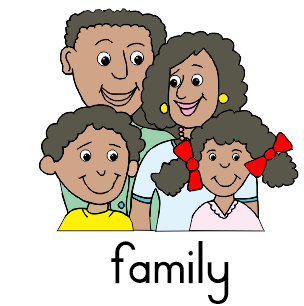
Teaching the theme “My Family” helps children understand the diverse structures and roles within families, fostering a sense of belonging and connection. Through storytelling, family trees, and sharing personal experiences, students learn to appreciate their own families and those of their peers. This theme encourages empathy and respect for different family dynamics, promoting inclusivity and cultural awareness. Ultimately, it nurtures children’s emotional development by validating their feelings and experiences, creating a supportive environment for discussion and understanding.
Families at work
Teaching the theme “Families at Work” introduces children to the variety of jobs and roles that family members engage in, helping them understand the concept of work and its importance in society. Through activities like role-playing and interviews with family members, students explore different professions and the skills involved, fostering curiosity about the world of work. This theme promotes respect for all types of work and highlights the contributions of various jobs to community well-being. Ultimately, it encourages children to dream about their own future careers while developing an appreciation for the hard work that supports their families.
Tools
Teaching the theme “Tools” provides children with an engaging way to explore the different types of tools used in various activities and professions, helping them understand their functions and significance. By incorporating hands-on experiences, such as using simple tools in classroom projects or creating tool-themed crafts, students learn about the specific uses of each tool, from hammers and screwdrivers to gardening implements and kitchen utensils. This theme not only enhances their vocabulary but also fosters problem-solving skills as they discover how to select the appropriate tool for a given task. Ultimately, it encourages curiosity about the world around them, empowering children to appreciate the craftsmanship and innovation behind the tools that facilitate everyday tasks and complex projects alike.
Families at play
Teaching the theme “Families at Play” allows children to explore the importance of play in family bonding and community connections. Through activities that involve games, sports, and creative play, students learn about teamwork, communication, and shared joy, which strengthen their social skills and relationships. This theme also encourages appreciation for diverse play traditions and activities from different cultures, promoting inclusivity and understanding. Ultimately, it fosters a sense of belonging and highlights the value of play as a vital part of healthy family interactions and overall well-being.
Autumn and Winter
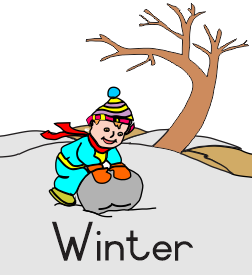
Teaching the theme “Autumn and Winter” introduces children to the beauty and changes in nature during these two distinct seasons, fostering a deeper connection to the environment. Through activities like seasonal crafts, and discussions about weather patterns, students learn to observe and appreciate the transformations in their surroundings, such as leaf color changes and snowflakes. This theme also provides opportunities to explore cultural celebrations and traditions associated with each season, promoting diversity and inclusivity. Ultimately, it enhances children’s observational skills, creativity, and understanding of the natural world, while encouraging them to embrace the joys and challenges of seasonal changes.
Vegetables
Teaching the theme “Vegetables” helps children discover the variety of vegetables available, their nutritional benefits, and their role in a healthy diet. Through hands-on activities like gardening, cooking, and tasting, students develop a connection to where food comes from and learn to appreciate fresh produce. This theme encourages healthy eating habits and empowers children to make informed choices about their meals. Ultimately, it fosters a sense of curiosity about food, promotes environmental awareness, and supports physical well-being as children embrace a more balanced lifestyle.
Homes
Teaching the theme “Homes” invites children to explore the diverse types of homes and living environments around the world, fostering an appreciation for cultural differences and similarities. Through activities like creating models, drawing, and storytelling, students learn about the features and functions of various homes, from apartments to traditional houses. This theme encourages discussions about safety, comfort, and community, helping children understand the importance of their own living spaces. Ultimately, it nurtures empathy and respect for others, while also promoting a sense of belonging and pride in their own home life.
Kitchen
Teaching the theme “Kitchen” allows children to explore the uses of the different tools in the kitchen. It also give them the opportunity to make dishes using the different utensils. Ultimately, it empowers children to take an active role in their own meals, instilling confidence and a greater appreciation for the culinary arts and nutrition.
Lounge and Dining room
Teaching the theme “Lounge and Dining Room” helps children understand the importance of social spaces in a home and how they foster connection and communication. Through role-playing, designing their own spaces, and discussing family traditions around mealtime, students explore concepts of hospitality, comfort, and togetherness. This theme encourages creativity and critical thinking as children consider how to arrange furniture and create inviting environments. Ultimately, it fosters a sense of belonging and teaches the value of shared experiences, helping children appreciate the role of these spaces in family life and community interactions.
Bathroom
Teaching the theme “Bathroom” introduces children to important concepts of hygiene, self-care, and personal responsibility. Through discussions and hands-on activities, such as learning about proper handwashing techniques and organizing toiletries, students develop healthy habits that promote well-being. This theme also encourages children to understand the different functions of a bathroom and the significance of cleanliness in maintaining a healthy living environment. Ultimately, it empowers children to take pride in their personal care routines and fosters a sense of independence as they learn to manage their daily hygiene needs.
Bedroom
Teaching the theme “Bedroom” helps children explore the concept of personal space and the importance of creating a comfortable and organized environment. Through activities like designing their ideal bedroom, students learn about the significance of rest, privacy, and personalization in their living spaces. This theme encourages discussions about routines, such as bedtime rituals and maintaining a tidy room, fostering responsibility and independence. Ultimately, it empowers children to take ownership of their space, promoting well-being and a sense of security as they cultivate a sanctuary for rest and relaxation.
In my garden
Teaching the theme “In My Garden” allows children to explore the wonders of nature and the basics of gardening, fostering a sense of responsibility and connection to the environment. Through hands-on activities like planting seeds, observing growth, and learning about different plants, students develop an appreciation for biodiversity and the importance of caring for living things. This theme encourages curiosity and scientific inquiry as children investigate the life cycles of plants and the role of insects and pollinators. Ultimately, it nurtures a love for nature and promotes healthy eating habits, as students discover the joy of growing their own fruits and vegetables.
Transport- Space and air
Teaching the theme “Transport: Space and Air” engages children in the exciting world of different modes of transportation, from airplanes to spacecraft, and their roles in exploration and travel. Through interactive activities like building model rockets, learning about flight, and exploring the science of aerodynamics, students develop critical thinking and problem-solving skills. This theme fosters curiosity about technology and innovation, encouraging children to imagine the future of transport and space exploration. Ultimately, it broadens their understanding of the world beyond Earth, inspiring a sense of wonder and encouraging them to dream about possibilities in science and engineering.
Transport- Water and land
Teaching the theme “Transport: Water and Land” introduces children to the various methods of transportation used on roads and waterways, enhancing their understanding of how people and goods move from one place to another. Through hands-on activities such as building model boats, learning about vehicles, and exploring maps, students develop spatial awareness and critical thinking skills. This theme encourages discussions about safety, environmental impact, and the importance of different transport systems in everyday life. Ultimately, it fosters curiosity about engineering and design while helping children appreciate the connections between communities and the role of transport in our world.
Spring and summer
Teaching the theme “Spring and Summer” helps children explore the vibrant changes in nature during these lively seasons, fostering a deeper connection to the environment. Through activities such as planting seeds, observing wildlife, and creating seasonal crafts, students learn about growth, weather patterns, and the life cycles of plants and animals. This theme also encourages discussions about seasonal celebrations and outdoor activities, promoting social skills and teamwork as children engage in group projects. Ultimately, it nurtures an appreciation for the beauty of nature, inspires creativity, and encourages children to embrace the joys of outdoor play and exploration.
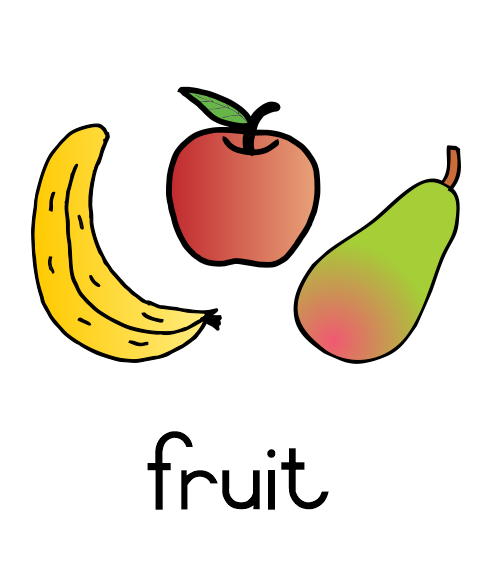
Fruit
Teaching the theme “Fruit” introduces children to the variety of fruits, their nutritional benefits, and their role in a healthy diet. Through hands-on activities like tasting sessions, fruit-themed art projects, and discussions about where fruits grow, students develop a deeper appreciation for healthy eating and agriculture. This theme encourages curiosity about flavors and textures, fostering creativity as children explore ways to incorporate fruit into meals and snacks. Ultimately, it empowers children to make informed dietary choices while nurturing a lifelong love for fruits and healthy living.
My Pets
Teaching the theme “My Pets” allows children to explore the responsibilities and joys of pet ownership while learning about various animals and their care needs. Through sharing stories, engaging in role-play, and creating pet-related art projects, students develop empathy and understanding for living creatures. This theme encourages discussions about the importance of kindness, respect, and proper treatment of animals, fostering a sense of responsibility. Ultimately, it helps children build strong emotional skills and reinforces the bond between humans and pets, promoting compassion and nurturing behavior.
On the farm
Teaching the theme “On the Farm” immerses children in the fascinating world of agriculture, helping them understand where their food comes from and the importance of farming in our daily lives. Through hands-on activities like visiting a local farm, engaging in role-play, and exploring the roles of various farm animals, students develop an appreciation for nature and the environment. This theme encourages curiosity about the farming process and promotes discussions about sustainability and nutrition. Ultimately, it nurtures a sense of responsibility and respect for the land and animals, fostering a deeper connection to the agricultural community.
Wild animals
Teaching the theme “Wild Animals” captivates children’s imaginations as they explore the diverse species that inhabit our planet and their natural habitats. Through activities like animal tracking, storytelling, and hands-on projects, students learn about wildlife conservation and the importance of protecting ecosystems. This theme fosters curiosity and critical thinking as children investigate animal behaviors, adaptations, and the roles different species play in the environment. Ultimately, it nurtures empathy and respect for all living beings, inspiring a lifelong commitment to environmental stewardship and wildlife preservation.
Water creatures
Teaching the theme “Water Creatures” immerses children in the fascinating world of aquatic life, from colorful fish to majestic whales and vibrant coral reefs. They also learn about the importance of water conservation. This theme encourages curiosity about the diverse adaptations and behaviors of water creatures, fostering critical thinking and scientific inquiry. Ultimately, it nurtures a sense of responsibility for protecting our oceans and waterways, inspiring children to become advocates for Water creatures conservation.
Colours
Teaching the theme “Colours” allows children to explore the vibrant world of colors through engaging activities and creative expression. By experimenting with mixing paints, creating color wheels, and identifying colors in their environment, students enhance their observational skills and creativity. This theme encourages discussions about emotions associated with different colors, fostering emotional intelligence and self-expression. Ultimately, it empowers children to appreciate the beauty of colors in art and nature, enriching their understanding of the world around them.
Opposites
Teaching the theme “Opposites” introduces children to fundamental concepts by exploring contrasting pairs such as hot and cold, big and small, and happy and sad. Through interactive activities like games, storytelling, and sorting exercises, students enhance their vocabulary and critical thinking skills as they identify and discuss differences. This theme promotes cognitive development by helping children categorize information and understand relationships in the world around them. Ultimately, it fosters creativity and expression, empowering children to use opposites in their language and art, enriching their communication skills.