
Check out our new shop for exciting deals. Dismiss
Skip to content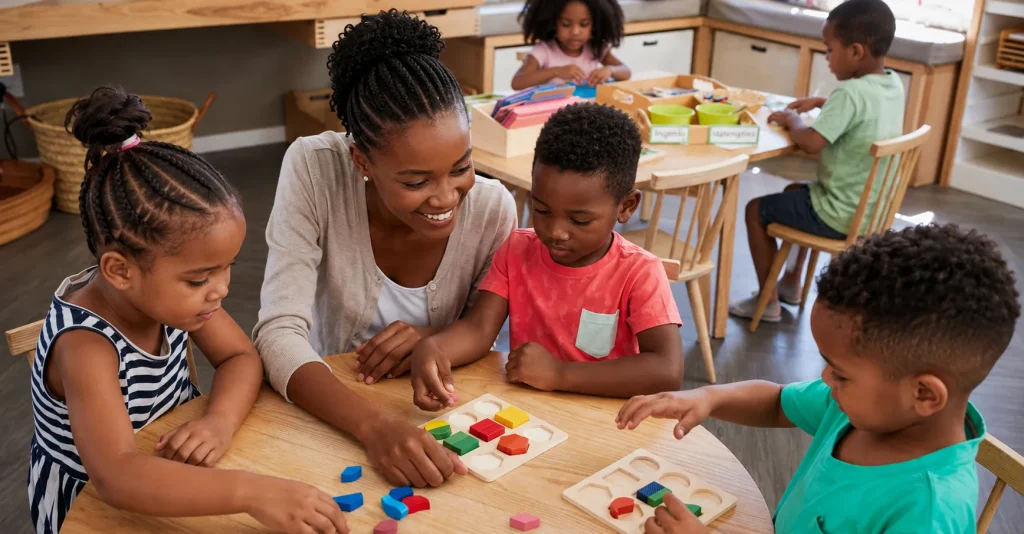
Choosing the right preschool is one of the most important decisions a parent can make. A good nursery school should feel safe, warm, organised and child-friendly. It should support your child’s emotional, social, physical and early learning development while giving parents peace of mind every day.
At Little Stars Pre-Primary Nursery School, we understand that parents want more than just childcare. You want a place where your child is loved, encouraged, protected and prepared for the next stage of learning.
When visiting a preschool or nursery school, look for an environment where children are happy, busy and confidently involved in age-appropriate activities. A quality preschool should have caring teachers, clean classrooms, safe play areas, good routines and a balance between learning and play.
Parents should also look at how the school communicates, how children are supervised, how behaviour is managed and whether the school’s values fit your family.
Before choosing a preschool, it helps to ask the right questions:
What is the daily routine?
How many children are in each class?
What is the teacher-to-child ratio?
How does the school handle separation anxiety?
How does the school communicate with parents?
What safety and hygiene routines are followed?
What happens if my child is sick?
How are meals, allergies and snacks handled?
Does the school support potty training and independence?
How much outdoor play do children get?
What learning activities are included each day?
How does the school prepare children for Grade R and formal schooling?
Every child develops at their own pace, but your child may be ready for preschool if they can spend short periods away from you, follow simple instructions, show interest in other children and take part in basic routines with support.
Some children settle quickly, while others need more time. A good preschool will help your child adjust gently and confidently.
Daycare usually focuses mainly on looking after children while parents are at work. A nursery school or preschool also focuses on early childhood development, school readiness, social skills, language, movement, creativity and learning through play.
A good preschool gives children the opportunity to grow emotionally, socially, physically and intellectually in a structured but loving environment.
A good preschool teacher should be patient, warm, observant and encouraging. Young children need teachers who understand early childhood development and know how to guide behaviour in a calm, positive way.
A good teacher does not only “watch” children. They help children learn to share, communicate, solve problems, build confidence, follow routines and become more independent.
Children learn best through play. Play helps children develop language, imagination, problem-solving, social confidence, emotional control and early thinking skills.
Through puzzles, stories, songs, movement games, creative play, building activities and outdoor play, children develop the foundations they need for future learning.
Before children can write neatly, cut with scissors or hold a pencil correctly, they need to build the small muscles in their hands and fingers.
Fine motor activities such as puzzles, threading, playdough, tweezers, building blocks, drawing, painting and sorting games help children develop hand strength, finger control and coordination.
Big body movements are very important in preschool. Running, climbing, balancing, crawling, jumping and outdoor play help children build core strength, balance, coordination and spatial awareness.
These skills help children sit properly, concentrate better and feel more confident in their bodies.
Reading starts long before a child can read words on a page. Children first need to hear sounds, understand words, listen carefully, speak clearly and enjoy stories.
A good preschool supports language development through songs, rhymes, storytelling, conversations, listening games, vocabulary activities and early sound awareness.
Preschool children also need activities that stretch their thinking. Memory games, matching games, pattern activities, “What’s missing?” games, sorting, sequencing and problem-solving tasks help children develop focus, working memory and flexible thinking.
These skills support later learning in reading, maths and classroom routines.
A good preschool classroom should be clean, bright, safe and organised. Children should have access to books, toys, creative materials, puzzles, construction toys and age-appropriate learning activities.
The classroom should feel welcoming, not overcrowded. Children should have enough space to play, learn, rest and take part in group activities.
Safety is one of the biggest concerns for parents. A good preschool should have clear safety routines, supervised play areas, clean bathrooms, good hygiene habits and proper procedures for illness, medication and emergencies.
Parents should feel comfortable asking about safety, cleanliness, supervision and how the school protects children throughout the day.
Parents should ask how the school handles food, snacks, allergies and special dietary needs. A preschool should take allergies seriously and communicate clearly with parents about meals, treats and lunchbox expectations.
Healthy eating habits and calm mealtimes also help children develop independence and good routines.
It is normal for some children to cry or feel nervous when starting preschool. This does not mean they are not ready. It simply means they need time, comfort and consistency.
A calm goodbye routine, a loving teacher and a predictable daily schedule can help children settle. Over time, most children become more confident and excited to come to school.
Parents should be careful if a preschool feels overcrowded, dirty, disorganised or unsafe. Other warning signs include poor communication, unclear routines, unhappy children, lack of supervision, teachers who seem impatient, or a school that avoids answering important questions.
A good preschool should be open, welcoming and willing to explain how they care for and teach your child.
Before enrolling your child, it is always a good idea to visit the school. A visit helps you see the classrooms, meet the teachers, understand the routine and decide whether the school feels right for your child.
Trust your instincts. The right preschool should feel safe, warm and child-centred.
Many children start preschool between the ages of 2 and 5, depending on their development, confidence, family needs and readiness for group routines.
Your child may be ready if they can spend time away from you, follow simple instructions, show interest in other children and take part in daily routines with support.
Ask about teachers, safety, hygiene, daily routine, outdoor play, communication, meals, class size, discipline and how the school supports emotional development.
Most children need a labelled bag, spare clothes, a water bottle, lunch or snacks if required, and any nappies, wipes or medication forms where needed.
Preschool helps children practise routines, listening, sharing, independence, fine motor skills, gross motor skills, language, early maths, emotional control and confidence.
Yes. Play is one of the most important ways young children learn. Through play, children build social skills, language, creativity, problem-solving and confidence.
A smaller group allows teachers to give children more attention, support and supervision. Parents should always ask how many children are in each class and how many adults supervise them.
A good preschool should guide behaviour calmly and positively. Children should be taught to understand feelings, share, use kind words, follow routines and solve problems with support.
Outdoor play is very important for strength, balance, coordination, confidence and social development. Children need opportunities to run, climb, jump, explore and use their bodies.
Little Stars Pre-Primary Nursery School offers a warm, caring and child-friendly environment where children can learn, play and grow with confidence. We focus on early learning, school readiness, social development, fine motor skills, gross motor skills, language development and happy daily routines.
Choosing a preschool is easier when you can see it for yourself. Visit Little Stars Pre-Primary Nursery School, meet our teachers and see how we help children learn, grow and shine every day.
Contact us today to book a visit or find out more about enrolment.
